Platform · Obligations and deadlines
Damage documented against the vehicle.
Report damage with photos and a timestamp directly against the vehicle. At lease return, what matters is what you can prove.
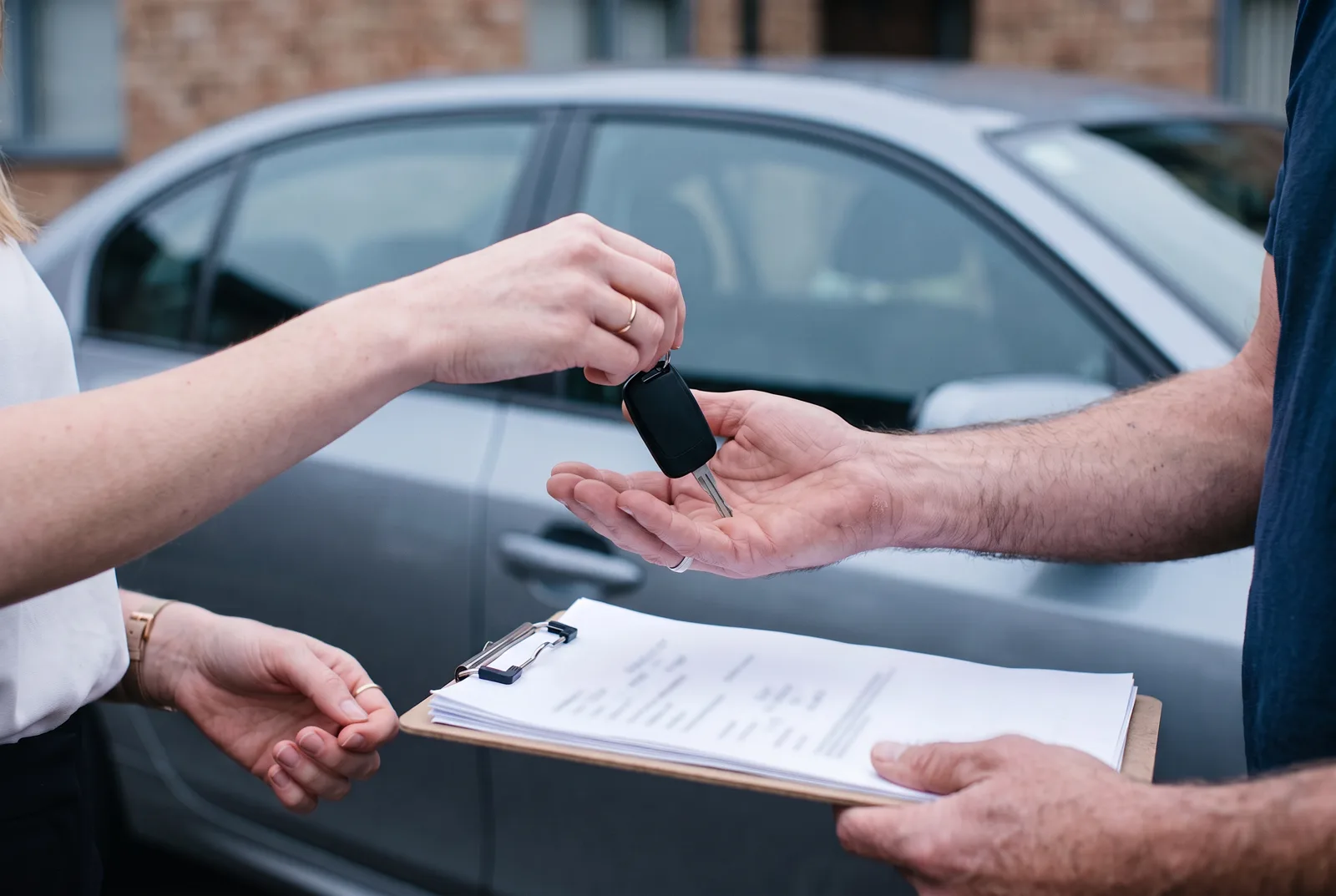
Per report
- Photo
- Timestamp
- History per vehicle
- Lease return
- No mailbox
One history instead of separate mailboxes.
The driver reports the damage, the entry stays with the vehicle and the evidence is ready for return.
From photo to evidence
What each report contains.
- Driver reportWith photo, directly on the vehicle.
- Timestamp and vehicleWhen it happened and which vehicle was involved.
- History remains in the vehicle recordEven when responsibilities change.
Damage without evidence becomes a dispute.
Damage is almost always reported, but the evidence rarely remains traceable.
Photos in the wrong inbox
Images sit in chats, emails and camera rolls. At vehicle return, nobody can reliably find them again.
The timing remains unclear
Without a timestamp, nobody can establish whether the dent occurred before or after the driver change.
The return decides
The lessor evaluates the condition. Anything that is not documented becomes an additional charge.
Damage history
At vehicle return, what matters is what you can show.
Damage is almost always reported; the challenge is retaining evidence. Here, the photo and timestamp stay linked to the vehicle.
Illustrative image
Four steps to documented evidence
The driver reports the damage at the vehicle, not later at the office.
Report against the vehicle
Record the damage and capture photos directly, without routing them through an inbox.
Timestamp and location
Each image carries the date, time and location. Nothing is added retrospectively.
Stored against the VIN
The report is linked to the vehicle rather than a person, so a driver change does not affect the record.
Repair or retain as evidence
Book a smart repair or retain the documented condition. Both options remain in the history.
What the vehicle record contains
The same form of evidence that every service carries — only for damage.
Evidence linked to the vehicle
Photo, time, place, code
A documented case includes the date and time, capture location and verification code. In the demo fleet, for example: 8 Jun 2026 · 14:32, Munich, factory premises, code PoS-7F3K-2026. Linked to the VW Transporter panel van, registration number M-DM 1002, as of 91,200 km.
Calculation example
What missing evidence costs
For an example fleet of ten vehicles, the status quo calculator estimates €104 per month as the self-paid share of unclear damages and €10 per month for avoidable additional charges when returning. These are industry assumptions, not guaranteed numbers.
Not legal advice: calculator values are estimates based on industry benchmarks. Your lease agreement and the vehicle's condition at return remain authoritative.
Where damage leads
The report is only the beginning. The rest of the workflow stays in the same vehicle record.
History
Vehicle record
Every damage report, service and supporting document linked to one VIN, through to vehicle return.
Evidence model
Evidence and receipts
How photos, timestamps and verification codes are created and how they support a dispute.
Mobile damage report
Five guided steps instead of a free-form message.
The mobile wizard records complete details and required photos against the vehicle.
1 · Vehicle
The affected vehicle is selected unambiguously.
2 · Incident
Time, place and a description are recorded.
3 · Damage
The area and type of damage are captured in a structured form.
4 · Required photos
Required angles depend on the selected category.
5 · Review
The driver reviews the complete report before submitting it.
PDF damage report
The completed report bundles details and photos for the insurer.
Handover report
Damage found during handover can continue in the damage workflow.
The damage report documents the incident; it does not replace an expert appraisal.